Furniture is not merely a simple functional material product, but also a widely popular art form. It must fulfill specific uses while also providing aesthetic appeal, eliciting aesthetic pleasure and rich associations during contact and use.
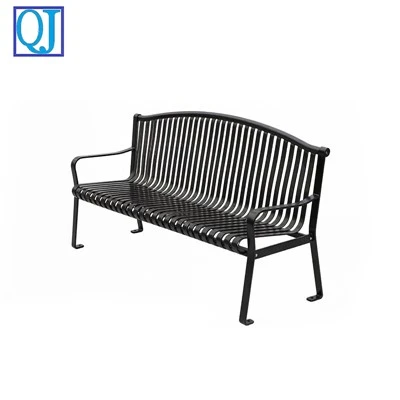
Wrought iron furniture is both a material product and an artistic creation; this is what is commonly referred to as the dual nature of furniture.
In terms of specific performance, wrought iron furniture has the following characteristics: First, its materials are recyclable and reusable, and surface treatments often employ environmentally friendly paints or galvanizing methods, making it environmentally friendly and energy-saving. Second, the metal material endows it with superior fire resistance, moisture resistance, and anti-magnetic properties. Third, wrought iron furniture typically uses high-quality steel, undergoes fine processing, and is sturdy and durable; at the same time, the material is highly malleable, and can be made into various shapes and artistic forms through forging, bending, and welding processes. Furthermore, wrought iron furniture often features multi-functional structures (such as folding), effectively saving space.
The types, quantities, functions, forms, styles, and craftsmanship of wrought iron furniture, as well as its distribution at the time, reflect a country's or region's social lifestyle, level of material civilization, and historical and cultural characteristics during a specific historical period.
Wrought iron furniture is a symbol of a country's or region's level of social productivity development during a particular historical period; it is a microcosm of a certain lifestyle and a manifestation of a certain cultural form; therefore, furniture embodies rich and profound social significance.