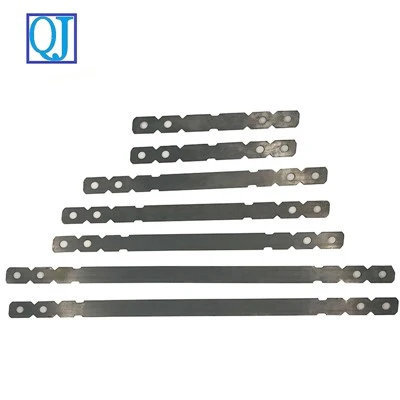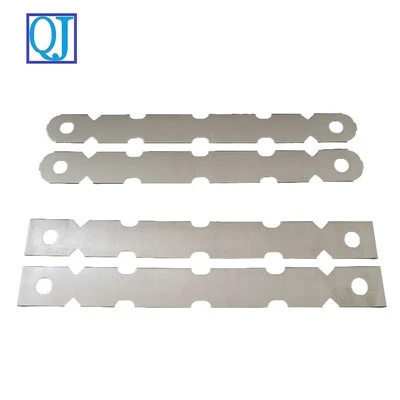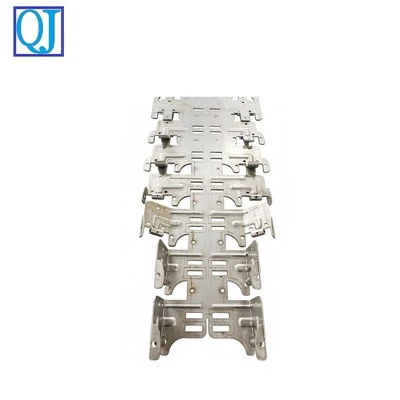
Interlocking panels and regular ceiling panels differ in several aspects.
**Structural Design**:
- Interlocking Panels: Their unique feature is the interlocking structure, making installation much easier. During installation, simply snap the interlocking panels together to quickly complete the assembly, significantly saving installation time compared to regular ceiling panels.
- Regular Ceiling Panels: These typically use more conventional splicing methods, such as overlapping or slotted joints. The installation process is relatively cumbersome, requiring careful alignment and fixing of each panel, which takes longer.
**Installation Effect**:
- Interlocking Panels: The tight interlocking effectively prevents gaps, greatly improving overall sealing. In environments prone to moisture, such as kitchens and bathrooms, interlocking panels effectively block moisture penetration, preventing surrounding areas from becoming damp and moldy.
- Regular Ceiling Panels: Gaps may appear at the joints due to workmanship or material issues, resulting in poor sealing. Moisture can easily enter these gaps, causing dampness in surrounding walls or ceilings, affecting aesthetics and lifespan.
**Usage Scenarios:**
- **Interlocking Panels:** Due to their excellent sealing properties and ease of installation, they are commonly used in locations with high waterproofing and moisture-proofing requirements, such as the walls and ceilings of kitchens and bathrooms. In these areas, they effectively resist moisture erosion, protecting walls and ceilings from moisture damage.
- **Standard Panels:** Suitable for areas with lower sealing requirements, such as wall decoration in ordinary rooms. They are also commonly used in dry, well-ventilated industrial plants, primarily serving a decorative and some protective function.
**Materials and Costs:**
- **Interlocking Panels:** To achieve the interlocking function, more sophisticated material selection and manufacturing processes are required, resulting in relatively higher costs.
- **Standard Panels:** Using relatively conventional materials and processes, their costs are usually lower, making them more cost-effective in projects with strict cost control.
In summary, interlocking panels and standard panels differ significantly in structure, installation effect, usage scenarios, and material costs. Users can choose the appropriate panel based on their actual needs.